
VA COLA 2027 Explained: How the Next Increase Could Affect Disability Payments and Retirement Benefits
The VA COLA (Cost of Living Adjustment) is basically an annual change meant to give some relief to benefit recipients for the impact of inflation. Like when the costs of daily stuff go up, things such as housing, healthcare, and other necessary services , then the benefits can be adjusted through the COLA process. A possible VA COLA jump in 2027 could be kinda important, especially for veterans and retirees because it might shift the amounts of monthly disability payments and other retirement related benefits. Still, the exact number for any increase will not really be known until after an official announcement, and once the relevant rules and regulations are actually applied.
How might VA disability payments be affected?
If there is a n increase in VA disability compensation under the 2027 COLA, eligible veterans may end up seeing a rise in their monthly payments. But it won’t be the same neat dollar figure for everyone, because VA disability compensation leans a lot on individual things like disability ratings, and also whether there are eligible dependents. So, the month to month increase for a veteran with a higher rating could look different than for someone with a lower rating. Because of that, Veterans should take a moment to compare their current pay amount with the newer, applicable rates, to really see how the possible adjustment might nudge their monthly income.
What will be the impact on retirement benefits?
The impact of COLA is not really limited to disability compensation; the annual cost of living adjustment is also a big deal for people who get retirement benefits. If a COLA change applies to retirement-related benefits then the monthly benefit amount could shift, some times up , sometimes based on the specific rules. The whole idea is more or less to keep the purchasing power of beneficiaries, at least a little, even while day to day costs keep rising. But retirement benefits and VA disability compensation are kind of separate programmes, with different ways of calculating things and different payment rules. So, a COLA adjustment in one programme doesn’t automatically map to the exact payment increase in the other, and that detail matters.
How is the 2027 COLA increase determined?

The COLA amount is not some kind of guesswork; actually the official adjustment is worked out using economic data, and the regulations that are set by the right government agencies. Inflation and changes in consumer prices, they really drive the whole thing. So until those agencies publish the final COLA percentage, it is probably not a good idea to assume a guaranteed bump for 2027. A lot of headlines seem to float around possible numbers or projections, but beneficiaries should stick with the official announcement for the final details.
What should veterans and retirees keep an eye on?
When you’re getting ready for 2027, veterans and retirees really should not just stare at the COLA percentage. It’s more like, check the revised benefit tables , look at the monthly payment amounts (and not only the headline figure), confirm eligibility rules, and scan any official policy updates too. In some cases, payment amounts may shift for beneficiaries if their dependent status has changed, even if they think “everything stays the same” . Also, changes tied to disability ratings or other qualifying situations can influence the total compensation. So yeah, it’s essential to keep your personal benefit details current, and read the official notices carefully, even the ones that seem routine.
How can COLA impact the monthly budget?
Even a small percentage uplift can be handy for the monthly budget over the long run. Veterans and retirees can lean on their projected, updated benefit amounts to layout housing groceries healthcare utilities and other normal expenses. Still, it is not a great idea to rely on a potential COLA increase only, for major financial decisions. It’s better to do permanent adjustments to the monthly budget after the final payment amount is locked in and confirmed. This way you avoid trouble because of mismatches between the estimated income and the actual one.
How can one prepare for 2027 now?
Beneficiaries should keep a paper trail or records of their current monthly benefits, disability ratings, or retirement paym ents, and also dependent details. When the official COLA info and the updated payment rates for 2027 come out, it should be more straight forward to line up the old figure s vs the new amounts. If you spot some unanticipated shift in the payment, you can look it up using official benefit statements, or contact the appropriate agency. Double checking the numbers through government sources is the safest path, instead of treating random amounts that are circulating on social media or on unofficial websites as the final word.
Conclusion
The VA COLA for 2027 is kind of a big deal for both veterans and retirees, especially when the cost of living keeps doing its thing, going up, down, sort of back again. If there is an COLA bump in the mix it could change the disability payments and retirement benefits too, but the exact percentage and monthly dollar figures wont be known until there is an official announcement. So people should rely on confirmed information, not guesses or estimates. Then they can tune up their budgets using the officially updated rates, rather than whatever numbers are floating around. In that way they can get a better read on what the benefits will look like in 2027 and manage their money accordingly.
FAQs
Q1. What is VA COLA 2027?
A. VA COLA is an annual adjustment that may increase benefit payments to help offset rising living costs.
Q2. Will VA disability payments increase in 2027?
A. They may increase if a COLA adjustment is approved for 2027.
Q3. How could COLA affect retirement benefits?
A. A COLA increase could raise monthly retirement benefit payments, depending on the applicable program.
2027 VA Disability Pay Dates and Rates: What Veterans Need to Know About Their Monthly Benefits
VA disability benefits in the U.S. kinda play a crucial role in meeting the monthly financial needs of millions of veterans, and a lot of people really rely on that. Veterans should keep track of their disability compensation payment dates and what the applicable benefit rates look like for 2027, because it can matter more than you think. In general, VA disability compensation is determined by how severe the service-connected disability is, so the monthly amount received can end up being different from one veteran to the next. Also, changes in rates for the new year may shift the monthly payment amount, sometimes in ways that feel a bit sudden. So it’s important for veterans to figure out when that new benefit amount starts kicking in, and what the payment schedule is, meaning exactly when deposits will land in their accounts.
How do VA disability pay dates work for 2027?
VA disability payments usually come out on a regular monthly routine, like a kind of fixed schedule. In most cases, the VA issues the benefits for the month that just ended, right at the start of the next month. But, if the planned payment day lands on a weekend or lines up with a federal holiday, then yeah, the calendar can shift a bit. So it’s not really smart to assume you’ll get paid just because it’s the start of the month, and it’s more reliable to look up the official VA payment schedule. Also, banks do their own processing, so some people might spot the money a little earlier or later than the date shown. Meaning there can be a slight mismatch between when the VA says it will pay and when the deposit actually shows up in the account.
Why might VA disability rates change in 2027?
The most significant reason for changes in VA disability compensation rates is the annual cost of living adjustment, or COLA. The whole idea behind COLA is to help keep the buying strength of benefits steady while inflation is rising, kind of like, it tries to keep things from getting more expensive on the veteran. If the compensation rates get adjusted for 2027, eligible veterans may see a higher monthly payment depending on their disability rating. But the increase won’t be the same across the board for everyone, because the dollar amount depends on disability rating, and also dependent status and a few other details. So, instead of only staring at the general percent increase, veterans really should verify their own particular benefit amount too.
How does the disability rating affect payments?
VA disability compensation amount is mostly tied up with the veteran’s disability rating . In general, the larger the rating, the larger the monthly compensation comes out to be, so veterans with different rating levels tend to get different benefit amounts, not the same at all. Sometimes it can shift a bit too depending on whether there is a spouse, child ren, or other qualified dependents involved, like eligible people that are on file.

Because of that, trying to estimate what you might get in 2027 just by staring at what some other veteran gets , it won’t line up right. Instead, veterans should check their own payment figures using their personal VA records and the relevant compensation table, because that is the part that actually matters.
What changes should veterans watch for in 2027?
In 2027, veterans should pay attention not just to the monthly payment amount but also to the other updates that get issued by the VA . A bunch of things like the annual COLA adjustment, updated compensation tables, tweaks tied to eligibility, and rules about dependent benefits can matter more than people think, and yeah, they do. If a veteran’s disability rating changes, or if dependent status changes, that can shift the monthly compensation too. Also, those official notices from the VA should not be ignored, because they may carry important details about payment amounts or about who qualifies .
What should be done if there is a delay in payment?
If the VA disability payment does not show up in the account after the expected payment date has really passed then, the veteran should first look at their bank account and also review recent VA payment details. Sometimes the deposits may take a little longer to appear because of banking processing timing, or there are federal holidays that slow things down. If the money is still not received after a reasonable amount of time, the veteran should reach out to the VA to ask about the payment status. Honestly its safer to lean on official VA information, instead of trusting unknown sources or a random social media post, to figure out payment dates or benefit amounts.
How should veterans prepare for 2027?
To handle their benefits in 2027 more smoothly, veterans should keep their details about their current disability rating, any dependents, and the monthly compensation amount sort of current. Also, it helps to do a regular scan, like once in a while, for new compensation rates and those payment schedules the VA puts out. If the benefit amount seems different, it can be figured out by comparing it with earlier payment records, sort of like looking back at what came in before. That approach lets veterans plan their monthly budgets better and get ready in advance, just in case the payments shift.
Conclusion
The 2027 VA disability pay dates and the rates are pretty big topics for veterans, specially for those who count on that monthly compensation on a regular basis. A bunch of factors can swing the benefit amount, like the payment dates themselves, annual rate adjustments, disability ratings, and whether dependents are involved or not, and yeah that dependent status can matter more than people think. So veterans should keep checking their payment info and also take a moment to regularly look for official updates from the VA for 2027. If they plan using accurate and up to date details it can really help veterans manage their monthly benefits, without getting surprised later on.
FAQs
Q1. When will VA disability payments be made in 2027?
A. VA disability payments are generally issued monthly, based on the official VA payment schedule.
Q2. Will VA disability rates increase in 2027?
A. Rates may change based on the annual cost-of-living adjustment (COLA).
Q3. What determines a veteran’s monthly VA disability payment?
A. The payment depends mainly on the disability rating and eligible dependent status.
VA Disability Benefits 2027: 7 Changes Veterans Should Watch Before the New Rates Begin
VA disability benefits are a pretty vital source of financial support for millions of American veterans and their families. Lately, attention is being placed on possible changes to VA disability compensation rates, COLA, and the monthly payments for 2027, and it feels like everyone is watching that timeline. There are already a lot of articles out there that talk about 2027 VA disability rates, overall compensation, who qualifies, and payment updates. Those pieces really show how much interest veterans have in these changes even if the details are still shifting around.
Changes to 2027 VA Disability Rates
Changes to VA disability compensation rates in 2027 could be one of the big ones. The monthly compensation, which is set based on disability ratings, tends to affect veterans financial planning a lot, kind of directly. So when new rates are released, veterans really should line up what they get now against what they might get with the new amounts, even if it’s just to be safe. Right now, there’s some available material, including a handful of posts about 2027 VA disability rates and the full rate charts, and that kind of shows how much attention this topic is getting.
Impact of the VA COLA Increase
The whole idea behind COLA (Cost of Living Adjustment) is kinda to make sure the purchasing power of benefits stays about the same even when living expenses keep going up. So if anything COLA related changes in 2027, that could trickle into veterans monthly disability compensation too. Now the final 2027 COLA rate, it’s not actually shown in the sources I have, but 2027 VA benefits and COLA updates are still mentioned as big talking points. So vets should stay alert for the official announcements and the final numbers, since those details matter.
Potential Changes to Monthly VA Disability Payments
Eligible veterans might notice a few changes in their monthly payments once the new compensation rates kick in. In most cases payment amounts are tied to disability ratings and a couple other qualifying factors, so the rise won’t be the same for every veteran, not really. Things about 2027 VA disability pay rates and the monthly payments side of it are already sitting inside the main content clusters, so that part is being addressed.
Importance of Focusing on Disability Eligibility
Alongside talking about these new payment rates, the eligibility part is just as important, almost like you cant really separate them. The VA disability benefit a veteran gets is tied up with both eligibility and their disability rating , so if someone only stares at the new rates, it s not really enough to figure out what the real dollar amount will be. So veterans should review whether there are any shifts to their current eligibility or rating, and then understand their particular circumstance based on official VA information , not rumors or quick summaries.
Keep an eye on payment dates for 2027 benefits
Beyond the benefit amount the payment schedule is also kind of crucial for veterans. If the monthly payment dates shift, or there are schedule updates, it can throw off household budgeting, like pretty quickly. VA payment dates and the 2027 benefit updates are key topics, that show up in the available information.
The relationship between military retirement and VA benefits
It is not only VA disability benefits that are being discussed for 2027, military retirement pay and disability compensation are also part of the conversation in a very real , interconnected way. Like, financially speaking, they kind of feed into each other. The main things getting covered include the 2027 military retirement pay increase and then updates around retirement pay, disability benefits and COLA (Cost-of-Living Adjustment) as well.
Avoid speculation until official updates are released
The most important point about 2027 benefits is the difference between speculation and the final announcement i mean yeah, it’s that split. Veterans should try not to confuse the potential rates you might see on social media, or those kinda unofficial pages, for the actual final payments. It’s often smarter to keep revising your financial plans only once you get clear definitive information on the new VA disability rates, eligibility rules, COLA, and the payment schedules too, because otherwise it can get misleading pretty fast.
What should veterans do regarding 2027 VA disability benefits?
Changes to VA disability benefits in 2027—especially around compensation rates, COLA, the monthly payments, and the schedules—could be pretty big for veterans. It seems like a lot of people are talking about 2027 VA disability rates, and the fact that these things keep coming up suggests veterans are really looking for updates, like right now. The wisest move is to take a good look at your current benefit details, keep an eye on new official rates and announcements, and don’t lock in your monthly income plans until the final numbers are out, for sure.
FAQs
Q1. Will VA disability benefits increase in 2027?
A. Yes, VA disability compensation rates may change in 2027 based on the annual COLA adjustment.
Q2. When will the new VA disability rates begin?
A. The updated rates are generally expected to take effect in December 2026, with payments reflecting the increase afterward.
Q3. What should veterans watch for in 2027?
A. Veterans should watch for COLA changes, updated payment rates, eligibility rules, and other VA policy changes.
The Psychology Behind Why People Hide Their Feelings
Everyone experiences feelings, but not everyone feels comfortable showing them. Some people openly talk about what they are feeling, while others prefer to keep their emotions private. They may smile when they are upset, stay quiet when something hurts them, or change the subject whenever a conversation becomes too personal. Psychology suggests that hiding emotions is often more complicated than simply choosing not to talk. A person’s past experiences, personality, relationships, and beliefs about emotional expression can all influence how comfortable they feel revealing their inner world. For some people, keeping emotions private becomes a familiar way of protecting themselves from discomfort, judgment, rejection, or conflict.
Fear of Being Judged Can Keep Feelings Hidden
One common reason people hide their emotions is the fear of being judged. Someone may worry that others will consider them weak, overly sensitive, dramatic, or incapable of handling difficult situations. This can be especially true for people who have previously opened up and received criticism, dismissal, or an uncomfortable reaction. Over time, they may learn to carefully control what they reveal. Instead of saying, “That really hurt me,” they might simply say, “I’m fine.” Although this response can make social situations feel safer in the short term, constantly hiding emotions can make genuine emotional connection more difficult.
Past Experiences Can Shape Emotional Habits
The way people learn to deal with emotions often begins early in life. Someone who grew up in an environment where emotional conversations were encouraged may find it easier to express sadness, anger, fear, or disappointment. On the other hand, a person who learned that showing emotions caused conflict, embarrassment, or rejection may become more private. These experiences do not automatically determine how someone behaves as an adult, but they can contribute to emotional habits that become difficult to change. As people grow older, they may continue using the same emotional strategies even when their circumstances have changed.
Some People Hide Emotions to Protect Themselves
Keeping feelings hidden can sometimes function as a form of emotional self-protection. If someone believes that revealing their emotions could give another person power to hurt them, remaining guarded may feel safer. This can happen in friendships, romantic relationships, family situations, or professional environments. A person may care deeply about others while still finding vulnerability uncomfortable. From the outside, such individuals can sometimes appear distant or uninterested, even when they are experiencing strong emotions internally. Their silence does not necessarily mean they lack feelings; it may simply mean they have learned to keep those feelings behind a protective barrier.
Personality Can Influence Emotional Expression
People naturally differ in how they process and communicate emotions. Some are naturally expressive and enjoy discussing their feelings, while others need more time to understand what they are experiencing before talking about it. Introverted or highly private individuals, for example, may prefer processing emotions internally rather than discussing them immediately. However, emotional privacy should not automatically be viewed as a problem. Choosing when and with whom to share personal feelings can be a healthy form of personal boundaries. The concern arises when someone feels unable to express emotions at all, even when sharing would be helpful.
Fear of Conflict Can Lead to Emotional Silence
Another reason people hide their emotions is the desire to avoid conflict. Someone might remain silent about feeling disappointed because they do not want an argument. Another person may suppress anger because they worry that expressing it will damage a relationship. While avoiding unnecessary conflict can sometimes be useful, constantly suppressing feelings may allow unresolved issues to build up. Eventually, emotions that have been ignored for a long time may emerge through frustration, withdrawal, resentment, or sudden emotional reactions. Learning to communicate feelings calmly can provide a healthier alternative to keeping everything inside.
Emotional Vulnerability Can Feel Uncomfortable
Being emotionally vulnerable requires a certain amount of trust. When people reveal their fears, insecurities, sadness, or disappointments, they cannot completely control how others will respond. That uncertainty can feel uncomfortable. Someone who has spent years appearing strong may find it particularly difficult to admit that they need support. They may believe they should handle everything independently, even when they are struggling. In reality, expressing emotions does not necessarily mean losing control. Healthy emotional communication can allow people to understand themselves better and build deeper relationships with others.
Understanding the Reason Behind Emotional Hiding
People hide their emotions for many different reasons, and there is no single explanation that applies to everyone. For one person, it may be fear of judgment; for another, it may be past experiences, personality, relationship concerns, or simply a preference for privacy. Understanding the reason behind the behavior is often more useful than labeling someone as emotionally distant. Creating relationships where people feel respected, listened to, and accepted can make emotional expression easier over time. For those who want to become more comfortable with their feelings, starting with small, honest statements can be a gentle first step.
Final Thoughts
Hiding emotions is a common human behavior, but the reasons behind it can be deeply personal. People may keep their feelings private because they are protecting themselves, avoiding conflict, responding to past experiences, or simply processing emotions in their own way. Emotional expression does not have to mean sharing everything with everyone. What matters is having safe and appropriate ways to recognize, understand, and communicate feelings when necessary. Sometimes, learning to say a simple “I’m not okay right now” can be the beginning of a more honest relationship with both yourself and the people around you.
FAQs
Q1. Why do people hide their emotions?
A1. Fear, past experiences, or self-protection.
Q2. Is hiding emotions always unhealthy?
A2. Not always, privacy can be healthy.
Q3. How can people express emotions better?
A3. Start slowly with trusted people.
Psychology Explains 7 Habits That May Make People Take You for Granted
Have you ever noticed that you are always available for others, constantly helping, listening, adjusting, or putting their needs before your own, yet your efforts sometimes seem unnoticed? Being kind and supportive can create strong relationships, but psychology suggests that certain repeated habits may unintentionally teach people to expect your time, energy, and attention without appreciating them. Being taken for granted does not necessarily mean that others are intentionally disrespecting you. Sometimes, the way we communicate our needs and boundaries can influence how people respond to us. Here are seven common habits that may make others become overly comfortable with your generosity.
Always Saying Yes
One of the clearest habits is saying yes to almost every request. Whether someone needs a favor, a last-minute change, emotional support, or help with a task, constantly agreeing can make your availability seem unlimited. Over time, people may begin to assume that you will always be willing to help, even when you have other responsibilities. Learning to say no respectfully does not make you selfish. It simply communicates that your time and energy have limits.
Putting Everyone Else First
Caring about other people is healthy, but constantly placing their needs above your own can become exhausting. When you repeatedly cancel your plans, ignore your preferences, or sacrifice your comfort to keep others happy, they may become accustomed to receiving priority. This pattern can also leave you feeling overlooked or emotionally drained. Maintaining healthy relationships involves caring for yourself as well as caring for others.
Avoiding Difficult Conversations
Some people avoid expressing their concerns because they fear conflict or do not want to hurt someone’s feelings. While keeping the peace may feel easier in the moment, staying silent about repeated problems can allow those problems to continue. If someone regularly crosses a boundary and you never communicate how it affects you, they may not realize that their behavior is causing frustration. Honest, calm conversations can prevent small issues from becoming long-term resentment.
Being Available All the Time
Constant availability can unintentionally create unrealistic expectations. If you immediately respond to every message, drop everything whenever someone needs assistance, or remain emotionally available regardless of your own circumstances, people may start expecting instant access to you. Taking time for yourself is not a rejection of others. Healthy relationships can include space, delayed responses, and personal priorities.
Doing More Than Your Share
Another habit involves consistently taking responsibility for things that should be shared. At work, this might mean repeatedly completing tasks for colleagues. In relationships or friendships, it could involve organizing everything, solving every problem, or always making the first effort. When one person continuously carries the responsibility, others may gradually stop noticing how much work is actually being done. Sharing responsibilities can create a more balanced dynamic.
Rarely Expressing Your Needs
People cannot always know what you need unless you communicate it. Someone who is constantly giving but rarely asks for support may unintentionally create a one-sided pattern. Others might assume that you are comfortable handling everything yourself. Expressing your needs does not diminish your independence. It gives people an opportunity to understand you better and contribute to the relationship.
Accepting Disrespect to Keep the Peace
Perhaps the most damaging habit is repeatedly accepting behavior that makes you feel uncomfortable, dismissed, or disrespected simply to avoid an argument. Every relationship has disagreements, but consistently tolerating behavior that crosses your personal boundaries can create unhealthy expectations. Setting a boundary does not require anger or confrontation. Sometimes, a clear statement about what you are and are not willing to accept is enough to change the dynamic.
Creating Healthier Boundaries
Being taken for granted can be an opportunity to examine your own patterns without blaming yourself or automatically blaming others. Kindness, generosity, and flexibility are valuable qualities, but they work best when balanced with self-respect. You can support people without being constantly available, care about others without abandoning your own needs, and say no without feeling guilty. Healthy boundaries help make relationships more mutual and sustainable.
Ultimately, the goal is not to become less caring or stop helping people. Instead, it is about making sure your generosity remains a choice rather than something others simply expect. When you communicate clearly, respect your own limits, and allow others to share responsibility, your relationships can become more balanced and respectful.
FAQs
Q1. What habits make people take you for granted?
A1. Always helping, agreeing, and ignoring personal boundaries.
Q2. How can you stop being taken for granted?
A2. Set clear boundaries and communicate your needs.
Q3. Does saying no improve personal relationships?
A3. Yes, healthy boundaries can create balanced relationships.
Psychology: What Constant Boredom May Say About Your Need for Mental Stimulation
Boredom is something everyone experiences from time to time, especially when life feels repetitive or there is little to look forward to. However, constantly feeling bored can sometimes make a person wonder why ordinary activities no longer seem interesting. From a psychological perspective, boredom can be connected with a desire for novelty, challenge, variety, or meaningful engagement. When the mind is not receiving enough stimulation, everyday routines may begin to feel dull even when nothing is necessarily wrong. This does not automatically mean that someone has a psychological problem. Instead, persistent boredom can be a useful signal that a person may benefit from finding activities that encourage curiosity, creativity, learning, or active participation.
Why Your Mind May Crave Stimulation
The human mind naturally responds to new information, challenges, and experiences. When days become highly predictable, there may be fewer opportunities to solve problems, discover something unfamiliar, or engage deeply with an activity. This can make time feel slower and experiences seem less rewarding. Someone who frequently feels bored may therefore start looking for something that captures their attention, whether that means learning a new skill, having an interesting conversation, exploring a different hobby, or taking on a challenging project. Mental stimulation does not always have to be complicated. Even reading about an unfamiliar subject, trying a creative activity, or changing a familiar routine can provide a sense of engagement.
Constant Boredom and Everyday Routine
A repetitive lifestyle can sometimes contribute to feelings of boredom. Doing the same tasks, visiting the same places, and following an identical schedule every day may leave little room for exploration. While routines can provide comfort and stability, too much predictability can make life feel monotonous. Introducing small changes can help create more variety without completely disrupting daily responsibilities. Trying a different route, learning something new, meeting people with different perspectives, or setting a personal challenge can give the brain something fresh to focus on.
Boredom Can Be a Signal to Explore Yourself
Persistent boredom can also encourage self-reflection. Instead of immediately trying to eliminate the feeling, a person can ask what they actually want more of in their life. Perhaps they need more creativity, social interaction, intellectual challenge, physical activity, or meaningful goals. Paying attention to when boredom appears can reveal useful patterns. For example, someone may feel bored mainly during repetitive work but become highly engaged when solving problems or creating something. Understanding these patterns can help a person identify activities that naturally hold their attention and provide a greater sense of involvement.
Finding Healthy Ways to Stay Mentally Engaged
There are many healthy ways to introduce more mental stimulation into everyday life. Reading, writing, learning a language, playing strategy games, practicing music, exercising, creating art, or exploring a new subject can all provide opportunities for active engagement. Meaningful conversations and new experiences can also challenge familiar ways of thinking. The goal is not to remain constantly entertained but to create a balance in which the mind has opportunities to rest as well as opportunities to explore and learn.
The Bigger Picture
Constant boredom does not have one universal meaning, and it should not automatically be interpreted as evidence of a psychological condition. People experience boredom for many different reasons, including routine, lack of interest, environment, circumstances, and personal preferences. Still, recurring boredom can be worth paying attention to because it may encourage someone to reconsider how they spend their time and what genuinely interests them. Sometimes, the feeling is simply a reminder that the mind needs something new to explore, a challenge to work toward, or a meaningful activity that makes everyday life feel more engaging.
FAQs
Q1: Why do I feel bored all time?
A1: Your mind may need more stimulation.
Q2: Can boredom affect mental wellbeing?
A2: Persistent boredom may affect mood and engagement.
Q3: How can I overcome constant boredom?
A3: Try learning, creating, exploring, or socializing.
VA Disability Benefits in 2027: What to Know About Eligibility and Payment Rates
VA disability benefits provide monthly tax-free compensation to eligible veterans whose disabilities are connected to their military service. As 2027 approaches, veterans and their families may be paying closer attention to eligibility requirements, compensation rates, and potential changes that could affect monthly payments. The amount a veteran receives generally depends on the VA disability rating assigned to their service-connected condition, along with factors such as dependents and other qualifying circumstances. Because benefit amounts and rules can change over time, veterans should rely on official Department of Veterans Affairs information when checking the latest figures and requirements.
VA Disability Eligibility Requirements
Eligibility for VA disability compensation generally begins with having a current physical or mental health condition and evidence connecting that condition to military service. Veterans typically need to show that the disability was caused or aggravated by their service, although certain circumstances may allow a condition to qualify under specific VA rules. The VA reviews medical evidence, service records, and other supporting documentation when evaluating a claim. A veteran’s individual circumstances can therefore make the claims process different from one person to another, and having complete and relevant documentation can be important when submitting an application.
How VA Disability Payment Rates Work
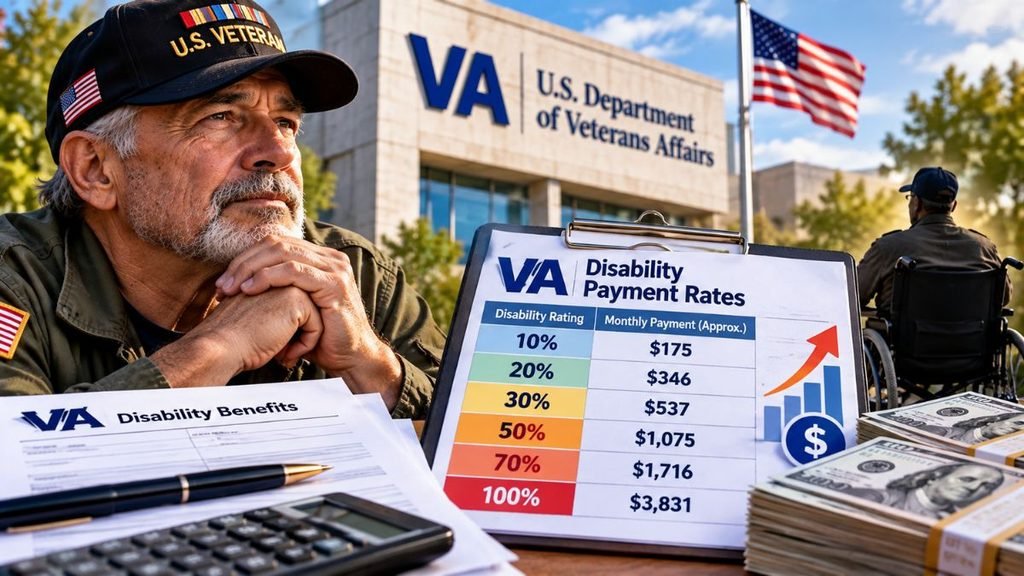
VA disability compensation is generally based on the percentage rating assigned to a service-connected disability. Ratings can range from 0% to 100%, with higher ratings generally corresponding to higher monthly compensation. The payment amount can also vary depending on whether a veteran has a spouse, children, or other qualifying dependents. Veterans with multiple service-connected conditions may receive a combined disability rating under VA rules rather than simply adding individual percentages together. For 2027, veterans should check the VA’s official compensation-rate information for the applicable payment amounts and any annual adjustments.
Possible Updates to VA Benefits in 2027
Benefit rates can be adjusted periodically, and veterans may see changes in their monthly compensation when new rates take effect. Other updates may involve claims procedures, eligibility rules, dependents, or documentation requirements. It is important to distinguish confirmed changes from estimates or unofficial reports circulating online. Veterans should review announcements from the Department of Veterans Affairs and other official government sources before making financial decisions based on a proposed or expected benefit change.
Checking Your VA Disability Benefits

Veterans who already receive disability compensation can review their current benefits through official VA services and check their disability rating, payment information, and dependent details. Those preparing a new claim should gather relevant medical records, service documentation, and other evidence that supports the connection between their condition and military service. Since every claim is evaluated according to the veteran’s circumstances and the available evidence, understanding the requirements before filing can help applicants provide more complete information.
Final Thoughts
VA disability benefits can play an important role in supporting veterans who have service-connected disabilities. In 2027, eligibility, disability ratings, payment rates, and other benefit rules will remain important areas for veterans to monitor. While general information can help explain how the system works, individual benefit amounts and eligibility can vary significantly. Veterans should check the latest official VA information for confirmed 2027 rates and requirements before relying on any specific payment figure or eligibility claim.VA disability benefits can provide valuable financial assistance to veterans dealing with service-connected disabilities. Understanding how eligibility, disability ratings, dependents, and annual payment adjustments work can make it easier to follow changes expected in 2027. Veterans should remember that individual payment amounts depend on their specific circumstances, so general rate information should not be treated as a personalized benefits determination. For the most accurate and current information, veterans should consult official Department of Veterans Affairs resources when 2027 rates and program updates become available.
FAQs
Q1: Who qualifies for VA disability benefits?
A1: Veterans with service-connected disabilities generally qualify.
Q2: How are VA disability payments calculated?
A2: Payments depend on disability rating and dependent
Q3: Will VA rates change in 2027?
A3: Rates may change following annual adjustments.
VA COLA 2026 Increase: Check New VA Rates and Payment Dates
The VA COLA increase is an important update for millions of veterans and their families who depend on Department of Veterans Affairs benefits. Each year, the cost-of-living adjustment, commonly called COLA, can increase monthly benefit payments to help recipients keep up with changes in the cost of everyday living. For 2026, veterans receiving disability compensation and other qualifying VA benefits are watching closely for updated payment rates, eligibility details, and payment dates. The final amount a veteran receives can depend on several factors, including disability rating, dependent status, and the specific VA benefit being received. Because individual circumstances are different, veterans should always check the official VA information when confirming their personal payment amount.
What Does VA COLA Mean?
COLA stands for Cost-of-Living Adjustment. It is designed to help benefit payments maintain their purchasing power when the cost of goods and services rises. VA disability compensation rates are generally adjusted when a COLA is approved, meaning eligible veterans may receive a higher monthly payment without having to submit a new disability claim simply because of the annual adjustment. The increase is particularly important for veterans who rely heavily on VA compensation to manage housing, food, transportation, medical expenses, and other household costs. The adjustment applies according to the rules governing the particular benefit, so not every veteran will necessarily see the same dollar increase.
Who May Be Eligible for Higher VA Payments?
Veterans who already receive qualifying VA disability compensation may benefit from an annual COLA adjustment. The exact monthly amount depends primarily on the veteran’s disability rating and whether the veteran has eligible dependents, such as a spouse or children. Some other VA-related benefits may also be affected by annual adjustments, depending on the applicable rules. Veterans who have recently been approved for benefits should pay attention to their award information because their payment may be calculated differently from someone with a long-established benefit. Eligibility for VA disability compensation itself is separate from eligibility for the annual COLA increase, so receiving a higher payment generally does not mean a person needs to file a new application solely for COLA.
How VA Disability Rates Can Change
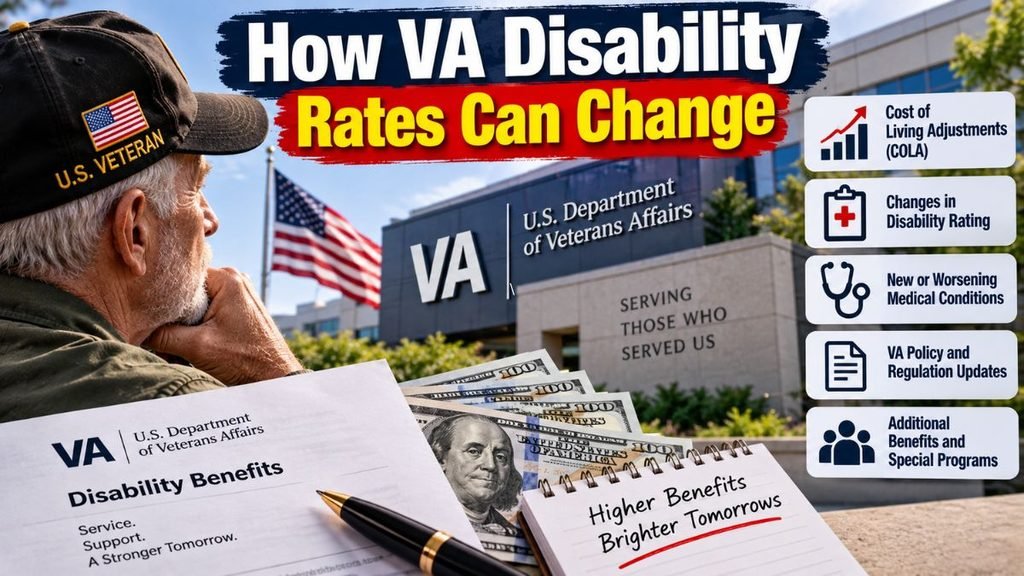
VA disability compensation is structured around disability ratings, with higher ratings generally corresponding to higher monthly compensation. A veteran with a lower disability rating will normally receive a different amount from a veteran with a higher rating, while veterans with qualifying dependents may receive additional compensation. When the annual COLA adjustment is applied, the underlying rates can increase accordingly. This means that the actual dollar increase will vary from one veteran to another. Instead of assuming that every recipient will receive the same additional amount, veterans should compare their current payment with the official 2026 rate applicable to their disability rating and family situation.
When Will VA Payments Be Made?
VA benefit payments are generally issued according to a regular monthly payment schedule. In many cases, payments are made at the beginning of the following month for the benefit period that has just ended. If the normal payment date falls on a weekend or federal holiday, payment timing can sometimes shift depending on the applicable schedule and financial institution. Veterans should therefore avoid relying solely on an unofficial calendar circulating online. Checking the payment information provided by the VA and confirming deposits with a bank or credit union is the safest way to determine when funds should become available.
Why the 2026 Increase Matters for Veterans

Even a relatively small increase in monthly benefits can make a meaningful difference over an entire year. For veterans living on fixed or limited incomes, changes in rent, groceries, utilities, transportation, and other expenses can put significant pressure on household budgets. A COLA adjustment is intended to provide some protection against that pressure by increasing benefits in line with the applicable cost-of-living adjustment. Veterans can use the increase to help manage rising expenses, pay down bills, build emergency savings, or cover other necessary household costs.
How to Check Your Personal VA Payment
The easiest way to understand your 2026 VA payment is to look at your individual VA benefit information rather than relying on a general estimate. Your disability rating, dependent status, and benefit type can all affect the amount you receive. Veterans should review their VA payment records and official benefit information to confirm the amount applicable to their situation. If a payment appears incorrect or a veteran’s circumstances have changed, contacting the VA directly can help clarify the issue. It is also important to keep dependent and personal information up to date because changes in family circumstances can affect compensation.
Final Thoughts
The VA COLA 2026 increase is an important financial update for veterans receiving qualifying benefits. While the annual adjustment can result in higher monthly payments, the exact increase depends on the veteran’s individual circumstances and applicable VA rates. Veterans should pay attention to official announcements, review the updated compensation tables, and check their personal payment information to understand what they can expect. Keeping track of payment dates and benefit changes can also make household budgeting easier and help veterans avoid confusion caused by outdated information found online.
FAQs
Q1: When will VA COLA payments increase?
A1: VA payments increase with annual COLA adjustments.
Q2: Who qualifies for VA COLA increases?
A2: Eligible veterans receiving qualifying VA benefits qualify.
Q3: Where can veterans check payment dates?
A3: Veterans can check official VA payment information.
2027 VA Disability Pay Rates
For millions of veterans and their families, VA disability compensation is an important source of monthly financial support. The 2027 VA disability pay rates will determine how much eligible veterans receive based on their VA disability rating, dependent status, and other qualifying factors. Because VA compensation rates can change from year to year, veterans often begin looking for the new payment amounts well before the updated rates take effect. The final 2027 figures will depend on the annual cost-of-living adjustment (COLA), so veterans should check official VA information when the new rates are released.
How VA Disability Compensation Works
VA disability compensation is generally a monthly tax-free benefit for veterans whose disabilities are connected to their military service. The amount a veteran receives depends primarily on their VA disability rating, which can range from 0% to 100%. A higher disability rating generally corresponds to a higher monthly payment. The amount can also vary depending on whether the veteran has eligible dependents, such as a spouse, children, or certain dependent parents. Veterans with the same disability rating may therefore receive different amounts depending on their individual circumstances.
What Could Change in 2027?

One of the most important factors affecting VA disability payments in 2027 will be the annual COLA adjustment. The adjustment is intended to help benefits keep pace with changes in the cost of living. However, the exact 2027 VA disability compensation increase cannot be confirmed until the applicable COLA is officially determined. Once the new adjustment is established, the VA will publish updated compensation tables showing the payment amounts for different disability ratings and family situations.
VA Disability Ratings and Monthly Payments
The VA disability rating plays a major role in determining monthly compensation. Veterans with ratings such as 10%, 20%, 30%, 50%, 70%, 90%, or 100% may receive different monthly amounts. At certain rating levels, eligible dependents can also affect the payment amount. Veterans receiving a 100% rating may have substantially higher compensation than those receiving a lower rating, although the exact amount depends on the applicable payment table and personal circumstances.
When Will the 2027 Rates Be Available?
Veterans should avoid relying on unofficial charts or estimated figures when planning their finances. The final 2027 rates should be checked against information published by the U.S. Department of Veterans Affairs after the relevant annual adjustment has been established. Official tables are particularly important because they account for different disability ratings and dependent categories.
How Veterans Can Prepare

Veterans who currently receive disability compensation can review their existing payment information and compare it with the official 2027 table once it becomes available. It is also useful to keep personal information and dependent details updated with the VA because changes in family circumstances may affect eligibility or payment amounts. Anyone considering a new disability claim or an increased rating should review the VA’s current eligibility and claims requirements rather than relying only on a payment chart.
Final Thoughts
The 2027 VA Disability Pay Rates will provide an important reference for veterans planning their monthly finances. While estimated figures may appear online before the official numbers are released, the final payment amounts should always be confirmed through official VA information. The veteran’s disability rating, qualifying dependents, and other applicable circumstances can all affect the amount received, making the official compensation table the most reliable source for individual payment information.
FAQs
Q1. What determines VA disability pay rates?
A1. Your rating and eligible dependents determine payments.
Q2. When are 2027 VA rates released?
A2. Official rates are released after annual COLA.
Q3. Are VA disability payments tax-free?
A3. Yes, VA disability compensation is generally tax-free.
Full Retirement Age 2026: 1959 vs. 1960
For many Americans approaching retirement, Social Security decisions can feel surprisingly complicated. One detail that can make a major difference is the year you were born. In 2026, people born in 1959 and 1960 fall into different Full Retirement Age rules, even though the difference is only one year. Your Full Retirement Age, or FRA, is important because it is the age at which you become eligible to receive your full Social Security retirement benefit based on your earnings record. Understanding the difference between these two birth years can help you make more informed decisions about when to claim benefits.
What Is Full Retirement Age?
The full retirement age is not the same for everyone. Social Security gradually increased the FRA for people born in later years. For someone born in 1959, the Full Retirement Age is 66 years and 10 months. For someone born in 1960 or later, the Full Retirement Age is 67. This means a person born in 1960 has to wait two additional months beyond the FRA of someone born in 1959 to reach the age associated with their full retirement benefit.
The distinction matters because claiming Social Security before your Full Retirement Age can result in a permanently reduced monthly benefit. On the other hand, delaying benefits beyond FRA can increase your monthly retirement benefit until age 70, when delayed retirement credits stop increasing the benefit.
Why 1959 and 1960 Can Make a Difference

At first glance, being born one year apart may not seem significant. However, Social Security rules treat these two birth years differently. A person born in 1959 reaches FRA at 66 years and 10 months, while someone born in 1960 reaches FRA at 67. Because the benefit calculation is tied to your FRA, the age at which you claim can affect the amount you receive each month.
For example, if someone claims retirement benefits before reaching FRA, their benefit is reduced for claiming early. The exact reduction depends on how many months before FRA they begin receiving benefits. Therefore, two people with similar earnings histories who were born just one year apart could have different claiming calculations because their Full Retirement Ages are different.
What Happens If You Claim Before Full Retirement Age?
Social Security allows eligible workers to begin retirement benefits as early as age 62. However, choosing to claim at 62 generally means accepting a lower monthly benefit than you would receive by waiting until your Full Retirement Age. That reduction is generally permanent, although other Social Security rules can affect payments in particular circumstances.
This is why knowing your exact FRA is useful before choosing a claiming age. Someone born in 1959 should use 66 years and 10 months as the key FRA milestone, while someone born in 1960 should use age 67. Looking only at a general statement such as “FRA is 67” can lead to confusion for people born in earlier years.
Delaying Social Security After FRA

Waiting beyond the full retirement age can also affect your monthly benefit. For people who qualify for delayed retirement credits, postponing retirement benefits after FRA can increase the monthly payment until age 70. This can be an important consideration for people who expect to live longer, have other sources of income, or simply prefer a larger monthly Social Security payment later in retirement.
However, there is no single claiming age that works for everyone. Personal circumstances such as health, employment, savings, family situation, taxes, and other retirement income can all influence the decision.
What This Means in 2026
The 1959-versus-1960 distinction is a useful reminder that Social Security rules can change based on your birth year. In 2026, people born in 1959 have an FRA of 66 years and 10 months, while those born in 1960 have an FRA of 67. Even a two-month difference can matter when calculating the impact of claiming benefits early or waiting until FRA.
If you are approaching retirement, check your Social Security record and personalised benefit information rather than relying only on general retirement-age charts. Understanding your exact full retirement age can help you see how different claiming dates may affect your monthly benefit and your long-term retirement income.
FAQs
Q1. What is Full Retirement Age in 2026?
A1. It depends on your birth year.
Q2. What is FRA for people born 1959?
A2. Their Full Retirement Age is 66 years, 10 months.
Q3. What is FRA for people born 1960?
A3. Their Full Retirement Age is 67 years.